
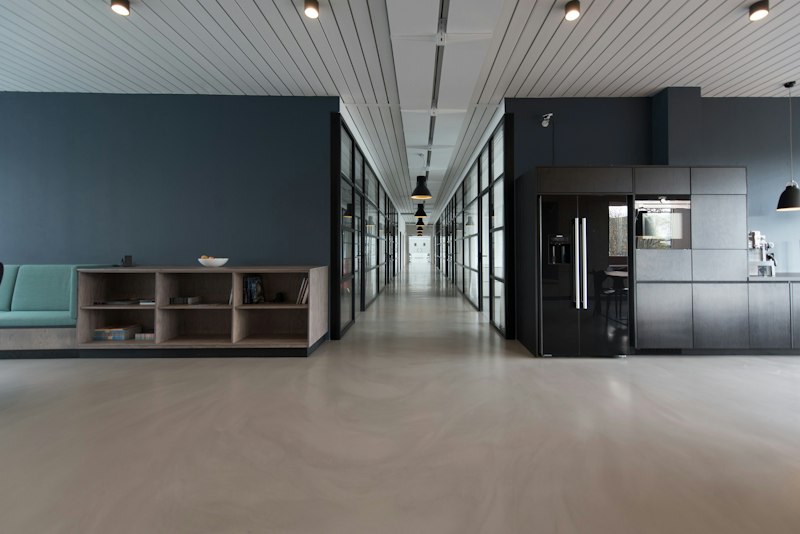
Cognitive-Friendly Learning Environments: The Space That Teaches
Key Takeaways
- Visual clutter competes with working memory — clear surfaces are a learning tool.
- Lighting temperature affects focus; warm light for reading, cool light for active tasks.
- Dedicated "anchor zones" (one place for writing, one for reading) reduce transition friction.
- Natural materials and textures are grounding for sensory-sensitive learners.
The room in which a child learns is not a neutral container. It is an active participant in the learning process. Every visual element, every sound, every texture either supports or competes with the child's capacity to think.
This is true for all learners. It is especially true for those whose sensory processing systems are amplified — who notice the flicker of a fluorescent light, who feel the seam of their socks as a persistent distraction, who find a room full of colourful posters not stimulating but overwhelming.
The first principle of a cognitive-friendly learning environment is visual economy. This does not mean bare walls and clinical emptiness. It means intentionality. One piece of art that the child chose. One plant that they water. A small collection of objects that anchor the space to their identity. Everything else removed from the visual field during learning time.
The second principle is lighting design. Natural light is the default — position the learning space near a window, orient the desk to avoid glare. When artificial light is necessary, warm temperature bulbs (2700–3000K) support reading and reflection. Cooler temperatures (5000K) support alert, active engagement. A simple dimmer switch is one of the highest-return investments in a home learning space.
The third principle is zone clarity. A chair and desk used only for writing trains the brain to associate that position with writing-mode. A floor cushion used only for reading creates a reading-mode anchor. These associations reduce the friction of transitioning between tasks — a friction that is significantly higher for ADHD and autistic learners.
The space that teaches is not expensive to create. It is thoughtful to create. And for a child whose learning has been shaped by environments built for someone else's nervous system, that thoughtfulness is transformative.

